

Ovulation Detection Methods
Ovulation Prediction Tests
The most common type of home-testing kit to predict fertility is the urine-based ovulation test, sometimes referred to as an ovulation predictor kit (OPK).
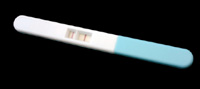
Ovulation tests work by detecting a high level, also called a 'surge', of luteinizing hormone (LH) in your urine. Once this LH surge is detected, the assumption is that ovulation is just around the bend.
Luteinizing hormone plays a large part in ovulation, the release of an egg from the ovary. When a woman's pituitary gland gets the signal that an egg is mature and ready, the pituitary releases a surge of LH that lasts only briefly.
Ovulation tests are chemical-coated plastic sticks or wands that are activated when a woman urinates on a specified end. Makers of ovulation tests recommend that a woman use these products later in the day, from afternoon to evening, and that she reduce her liquid intake for about two hours before testing in order to avoid watering down the results.
It is generally believed that ovulation will occur approximately 36 hours after the LH surge.
People who are trying to get pregnant should then have intercourse on the day of and for several days following the detected surge (a positive ovulation test). This will promote the presence of sperm in the fallopian tube when the egg is finally released.
In order to know when to use an ovulation test, a woman must know the approximate and average length of her menstrual cycles. Because the LH surge is only detectable for a brief time, it is important to follow the manufacturers' instructions exactly in scheduling their use of an ovulation test. Use WhenMybaby's helpful ovulation test calculator, designed to be used with a wide variety of OV tests.
Women who are using fertility medication or other types of hormonal drugs (such as birth control pills) should consult their health practitioner about the usefulness of ovulation tests in their situation. Some drugs can influence the results, causing false positives.